The man shrugged. "Things want to be seen. Besides, there's a line between protection and prison. These reels—some of them remember things the world would rather forget. People curate reality by what they choose to project."
The opening shot was of a projector aimed at an empty town square, its beam slicing the fog. The camera pulled back to reveal the projectionist, older now, arranging cans. He looked directly into the lens. "We cracked it," he said. "Not to steal, but to breathe. The world asks for stories, and when we keep them under glass, they wither. We do not break the film; we release the light."
He watched alone, January wind scraping the gutter outside his window like a needle. The opening was wrong: not the polished opener of studio logos but a raw header of error code and static. Then the film folded itself out—grainy, alive, imperfect. The story on screen was intimate and strange: a town on an island that remembered only odd fragments of its own history, a cinema that refused to close, a projectionist who cataloged dreams. The actors moved with an ease that made Jun remember a life he had never lived.
The file downloader began a slow crawl. The thumbnail showed a face half in shadow, eyes lit like coals. The filename—0gomoviegd_final_cut.mkv—felt like an insult and a dare. Was it real? A botched rip? A deliberately planted myth?
Jun felt something loosen inside him, like a held breath finding its path. Outside, the city breathed on, indifferent and beautifully ordinary. Inside, the room hummed with frames—some whole, some cracked—and the knowledge that stories, once let loose, remade the small cartography of who people were.
Somewhere, someone else would find a can and decide, for whatever reason, to crack it. And the world would tilt, a degree at a time, toward a tenderer, stranger landscape—the one that keeps its seams visible so the light can get through.
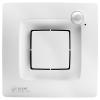 Бытовые вытяжные вентиляторы
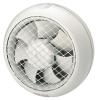 Вентиляторы для оконно-настенной установки
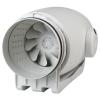 Канальные вентиляторы
 Мультизональные вытяжные вентиляторы
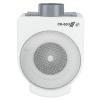 Бытовые кухонные вентиляторы
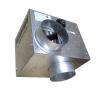 Вентиляторы для распределения теплого воздуха
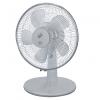 Бытовые вентиляторы
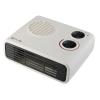 Обогреватели и конвекторы
 Фены и сушилки для рук
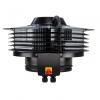 Крышные вентиляторы
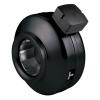 Вентиляторы с EC-двигателями
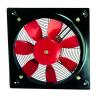 Осевые вентиляторы с монтажной пластиной
 Осевые вентиляторы в цилиндрическом корпусе
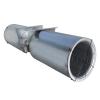 Струйные вентиляторы
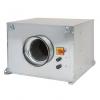 Вентиляторы в корпусе
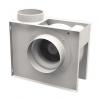 Центробежные вентиляторы
 Пластиковы центробежные вентиляторы
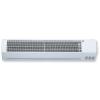 Воздушные завесы и тепловентиляторы
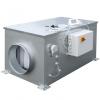 Приточные установки
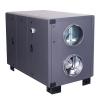 Приточно-вытяжные установки