


500mb - Movies
The MPEG-1 encoding standard, which was widely used for 500MB movies, played a crucial role in achieving this compact file size. MPEG-1, developed by the Moving Picture Experts Group (MPEG), was designed to provide a good balance between video quality and file size. It achieved this by using lossy compression, which discarded some of the video data to reduce the file size. While this resulted in a lower video quality compared to modern standards, MPEG-1 was sufficient for the average user, and its widespread adoption helped to establish the 500MB movie as a viable format.
To understand the significance of 500MB movies, it's essential to examine the technical and socio-cultural contexts in which they emerged. In the late 1990s and early 2000s, the internet was still in its formative stages, with dial-up connections and 56k modems being the norm. Uploading and downloading large files was a time-consuming and often frustrating process. The 500MB movie, with its relatively small file size, became a sweet spot for video sharing, allowing users to distribute content quickly and efficiently. 500mb movies
The proliferation of online video platforms, such as YouTube, Vimeo, and Netflix, also contributed to the decline of the 500MB movie. These services, which offer a vast library of content, often encoded in modern, highly efficient formats, have become the go-to destinations for online video consumption. The use of streaming protocols, such as HLS (HTTP Live Streaming) and DASH (Dynamic Adaptive Streaming over HTTP), allows for seamless playback and adaptation to different network conditions, rendering the need for pre-encoded, fixed-size video files like the 500MB movie obsolete. The MPEG-1 encoding standard, which was widely used
The Era of 500MB Movies: A Relic of the Past While this resulted in a lower video quality
The rise of peer-to-peer (P2P) file-sharing networks, such as Napster, Kazaa, and LimeWire, further popularized the 500MB movie. These platforms allowed users to share and download large collections of music and video files, often encoded in MPEG-1. The ease of sharing and accessing copyrighted content, however, raised significant concerns about intellectual property rights and copyright infringement. The music and film industries responded by pushing for stricter copyright laws and more effective digital rights management (DRM) systems.
In conclusion, the 500MB movie was a significant milestone in the development of digital media, marking a transition from physical media to digital distribution. While it has been replaced by more efficient technologies and formats, its legacy continues to influence the way we consume and interact with video content. As the digital landscape continues to evolve, it's essential to acknowledge the contributions of earlier technologies, like the 500MB movie, which paved the way for the modern streaming era.

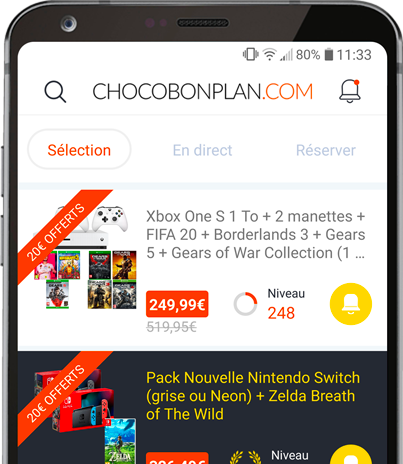

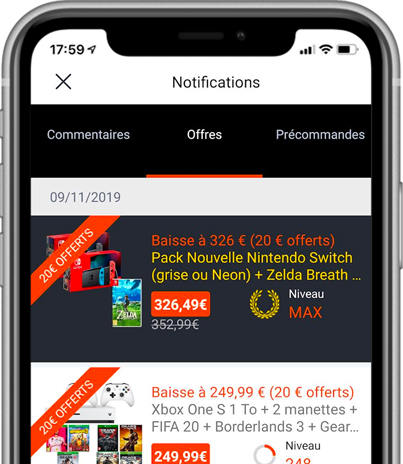




La version pc est moins intéressante ou c’est moi qui pense cela
C’est pas possible je reçois aucune notification déjà fini 🙁
Bonjour !
Une alerte envoyée vers 15h20 aujourd’hui.
Si vous ne recevez pas les notifications, pensez à vérifier les paramètres dans votre téléphone. Encore une fois le système marche parfaitement et est testé en permanence 24h sur 24 et 7 j sur 7. Et 99,9 % du temps, si souci de notifications il y a, cela vient du smartphone en question, une installation d’une appli ou d’un paramètre tiers, une mise à jour système qui a désactivé par défaut les autorisations notifications etc…Bref, les raisons sont multiples. Si vous avez besoin d’aide pour configurer votre smartphone / régler un paramètre : [email protected]