1 Upd | Avs-museum-100359

Action now: find one cryptic record, enrich its metadata, and invite one community member to help tell its story. Repeat.

A photograph in a drawer, a catalog entry in a database, a terse filename — "Avs‑Museum‑100359 1 UPD" sounds like sterile metadata. Yet those cold characters can be the hinge between forgetfulness and recovery, between a muted artifact and a living story. This editorial argues that such registry lines are not merely inventory; they are invitations — and obligations — to translate quiet records into public memory, accountability, and human understanding. Avs-museum-100359 1 UPD
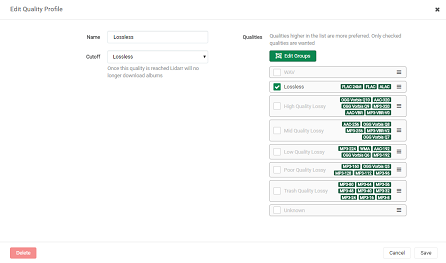
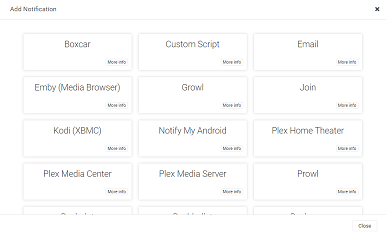
Notifications and fully customizable quality profiles.

Avs-museum-100359 1 UPD Avs-museum-100359 1 UPD
Avs-museum-100359 1 UPD Avs-museum-100359 1 UPD Avs-museum-100359 1 UPD

Multiple Movie views.

Avs-museum-100359 1 UPD Avs-museum-100359 1 UPD

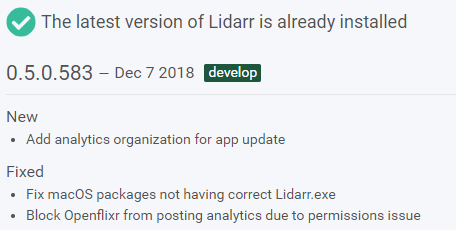
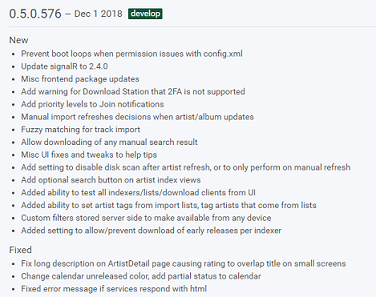
Frequent updates. See what's new without leaving the comfort of the app.

Summary

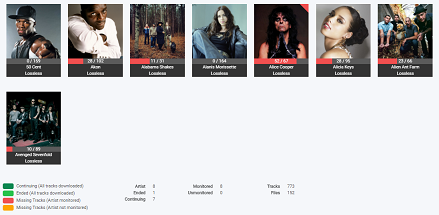
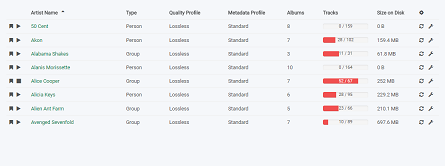
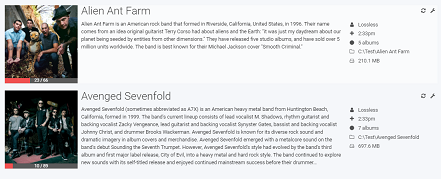
Lidarr is a music collection manager for Usenet and BitTorrent users. It can monitor multiple RSS feeds for new albums from your favorite artists and will interface with clients and indexers to grab, sort, and rename them. It can also be configured to automatically upgrade the quality of existing files in the library when a better quality format becomes available.

Features

Avs-museum-100359 1 UPD

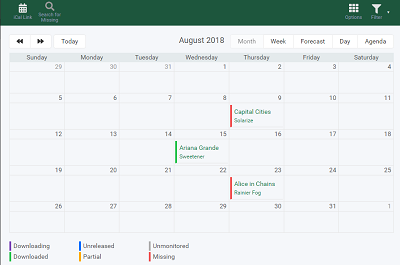
Calendar

See all your upcoming albums in one convenient location.

Avs-museum-100359 1 UPD

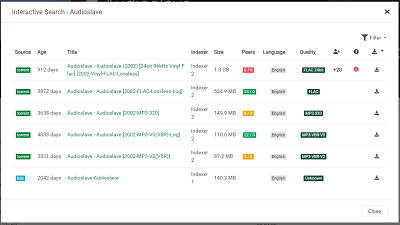
Manual Search

Find all the releases, choose the one you want, and send it right to your download client.

Avs-museum-100359 1 UPD

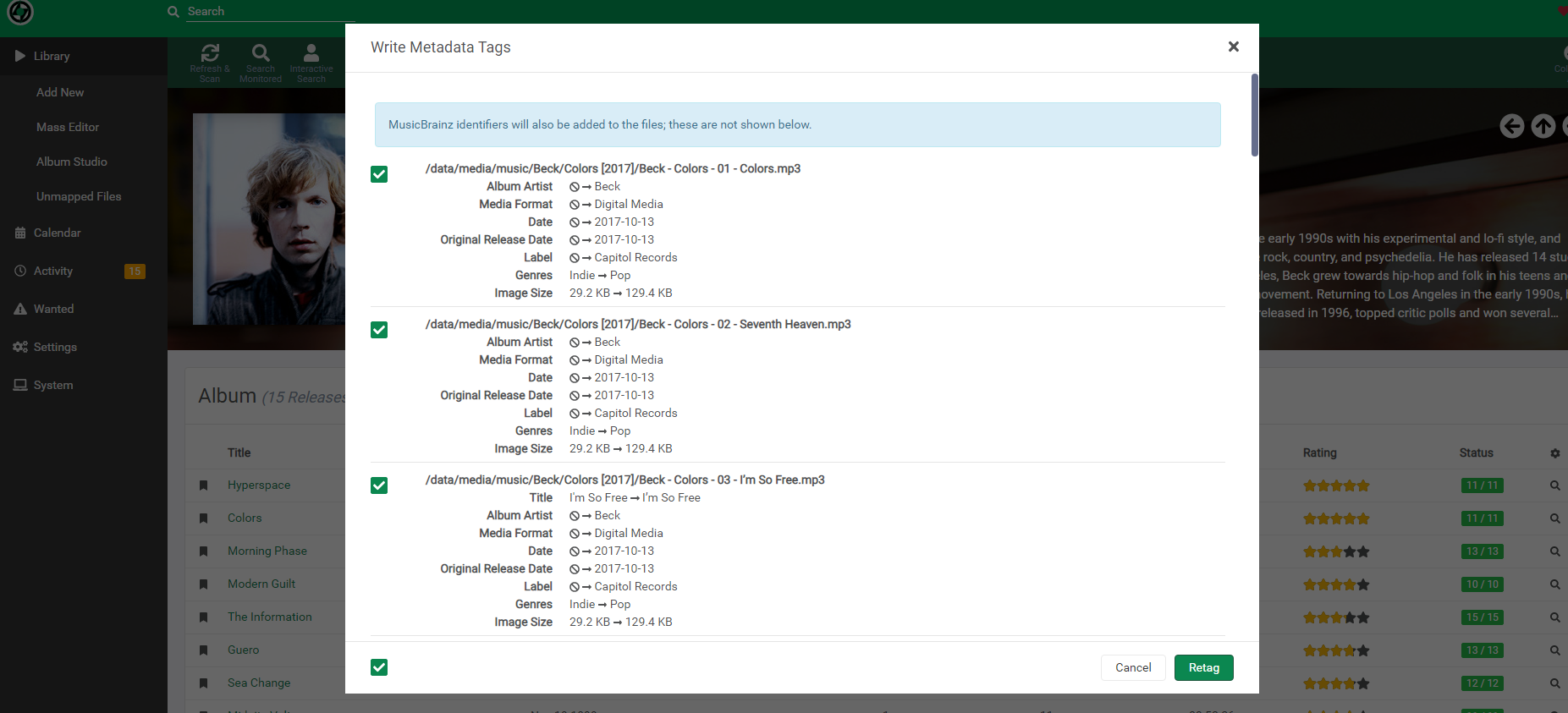
Metadata Writing

Metadata tags a mess? No problem. Lidarr will whip your current library into shape and ensure any new music is tagged correctly and uniformly.

Avs-museum-100359 1 UPD

Import Lists

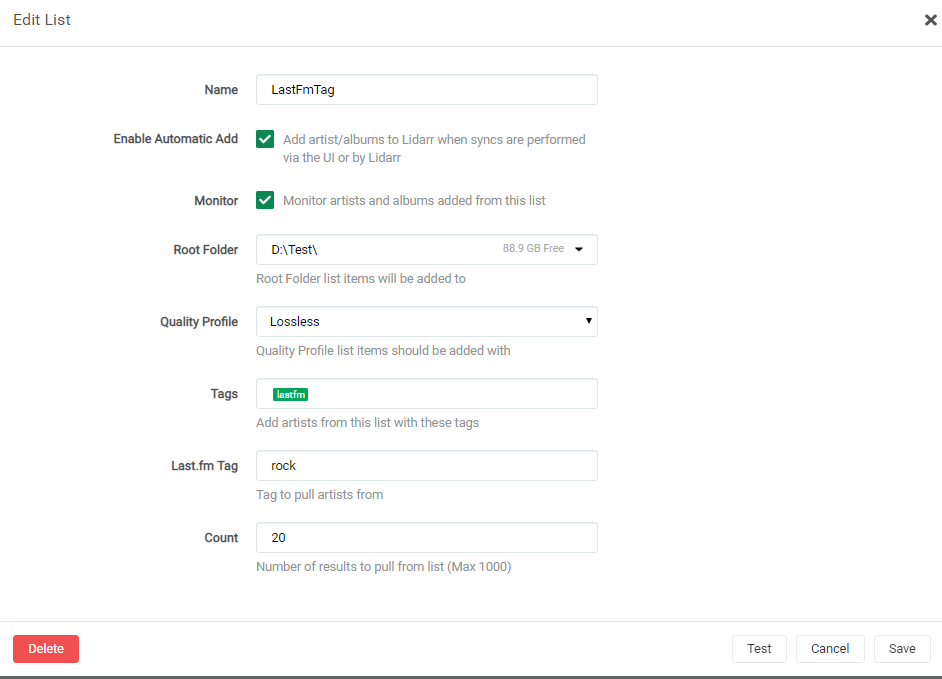
Follow your favorite artists or top 20 albums using import lists. Lists can be used from supported services like Last.FM and Headphones.

Action now: find one cryptic record, enrich its metadata, and invite one community member to help tell its story. Repeat.

A photograph in a drawer, a catalog entry in a database, a terse filename — "Avs‑Museum‑100359 1 UPD" sounds like sterile metadata. Yet those cold characters can be the hinge between forgetfulness and recovery, between a muted artifact and a living story. This editorial argues that such registry lines are not merely inventory; they are invitations — and obligations — to translate quiet records into public memory, accountability, and human understanding.

Support