

Book the showroom

Multi Year Finance available for UK Customers

Matthew Baynham
“The ease of pushing, turning and transferring into my car with such a light wheelchair was a breath of fresh air.”
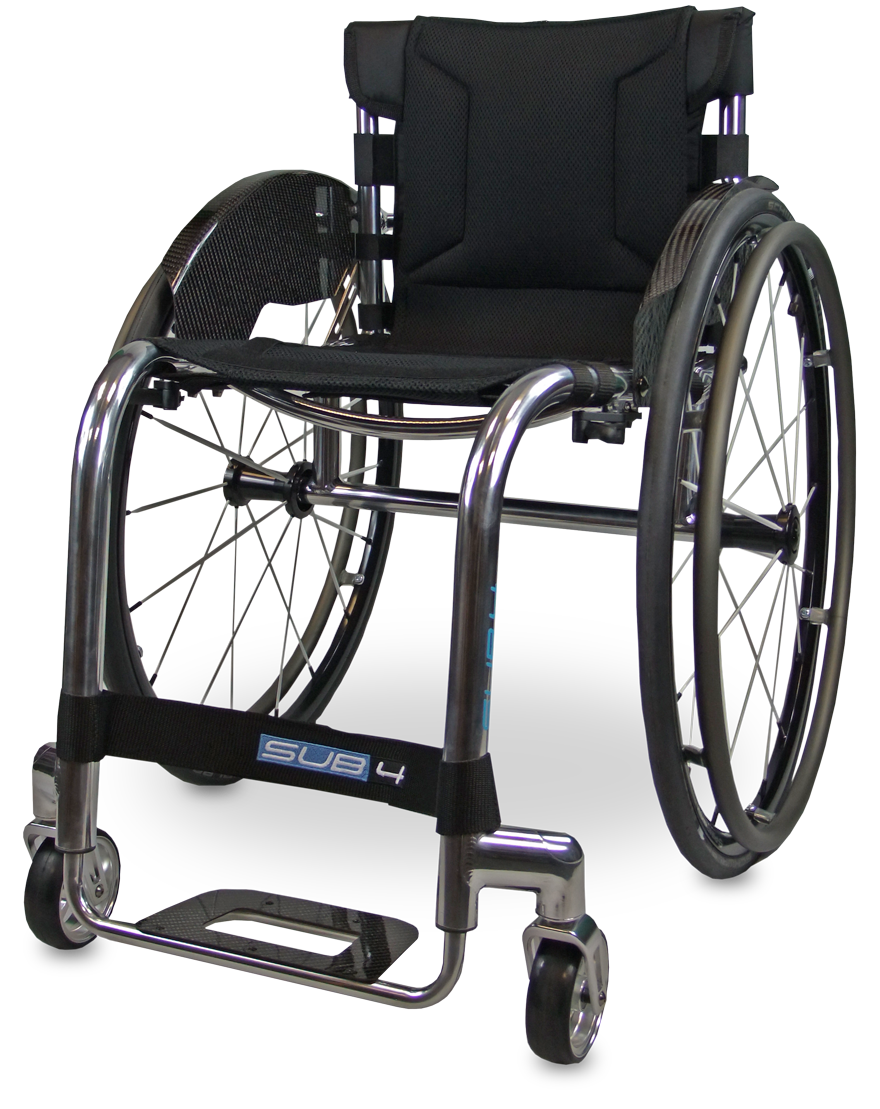
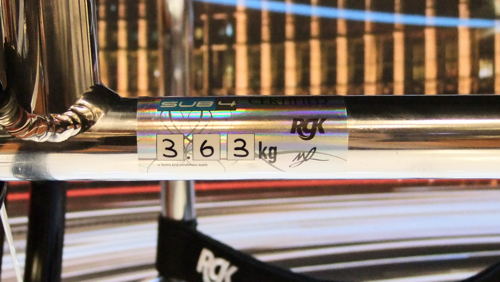
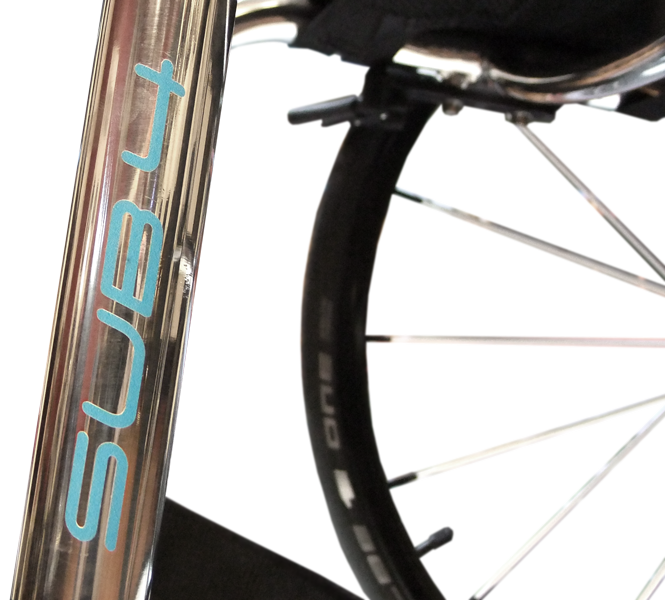
4kg*. That’s a newborn baby. A 7 week old Labrador puppy. Your Tiga Sub4. By making 72 minute but fundamental changes to the Tiga, alterations that many would simply neglect to notice, we have made an obscenely alluring, pioneering lightweight wheelchair that is as rigid and stable as it is lightweight. Transferring, propelling, lifting, turning… All effortless with your Tiga Sub4.

*excluding wheels, cushion and any non-certified options.
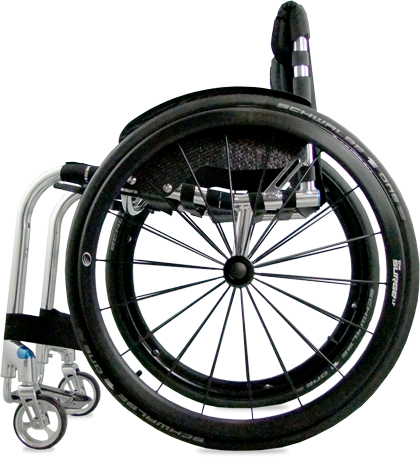
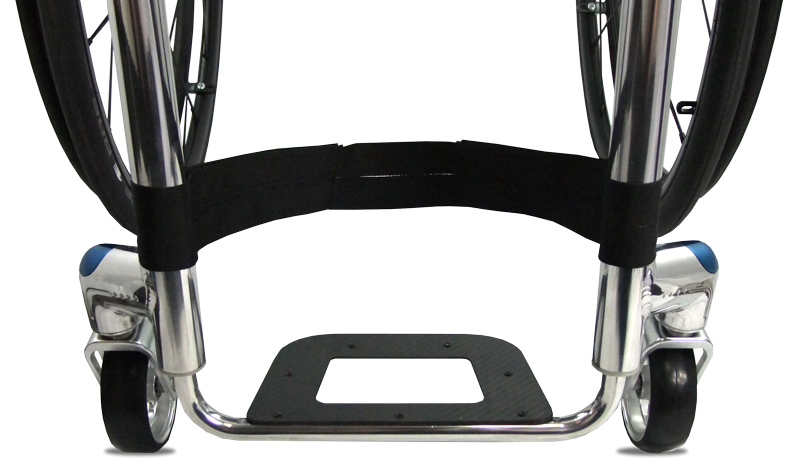
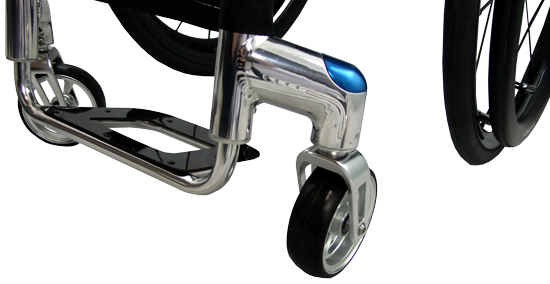
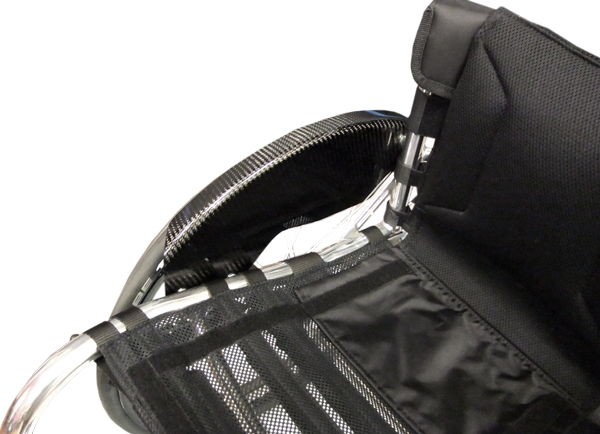
By embracing marginal gains technology, the Tiga Sub4 has been created as an unparalleled ultra-lightweight wheelchair. A completely unique Sub4 upholstery, shortened axle and pin setup, specially designed froglegs super light castors and corrosion resistant titanium fasteners, the Tiga Sub4 is as smart as it is beautiful.
Only the best materials are used in your Tiga Sub4. Aluminium is famous for its strength, durability and is synonymous with lightness. The utmost best performance of your chair is ensured by only using elements produced by market leaders, alongside a staggering 19 quality checks throughout the build, from measure to handover.
Download the full Tiga Sub 4 user manual here
Do you need help with funding your RGK chair?
There are a few different ways in which you can try to get funding for your wheelchair. These choices include NHS Wheelchair Services, Access to Work and charities.
In the end, Erdas Imagine feels like a seasoned cartographer’s bench in software form: not the newest toy in the lab, but the place where the serious work happens. If you care about turning imagery into reliable decisions — in ecology, urban planning, defense, or disaster response — it’s worth understanding why generations of practitioners still reach for it.
There’s a tactile pleasure in the way Erdas Imagine handles raster data. Its pixel-focused tools feel faithful to the origins of remote sensing, where each cell is a measurement with provenance and uncertainty. The suite’s classification algorithms — supervised and unsupervised, decision-tree based or statistical — are workhorses. They may not always be the sexiest options compared with trendy machine-learning frameworks, but they are robust, interpretable, and tuned to the idiosyncrasies of spectral data: mixed pixels, atmospheric effects, and sensor noise. For many practitioners, that interpretability is everything; understanding why a coastline was labeled “urban” rather than “wetland” is often more important than achieving a marginally higher accuracy score from an opaque model. erdas imagine software
At first glance Erdas Imagine is old-school: dense menus, a learning curve that rewards patience, and interfaces that echo the lineage of professional geospatial software. But beneath that sober exterior is a set of capabilities that have matured through decades of real-world use. It is designed for one central, stubborn purpose — to extract reliable, actionable information from imagery. Whether the input is multispectral satellite data, hyperspectral cubes, lidar point clouds, or time-series stacks, the software’s workflows orient around clarity: calibrate the data, correct distortions, classify surfaces, and quantify change. In the end, Erdas Imagine feels like a
There’s a certain humility to software that simply does its job — reliably, quietly, and without fanfare. Erdas Imagine belongs to that class. It’s not flashy in the way consumer mapping apps are; it doesn’t court viral headlines or social feeds. Instead, it lives in the pragmatic world of pixels and bands, where remote-sensing specialists, GIS analysts, and environmental scientists wrestle with giant, often messy datasets and expect exacting, reproducible results. And within that domain, Erdas Imagine is less a tool and more a craft: an instrument for turning raw, airborne and satellite light into knowledge. Its pixel-focused tools feel faithful to the origins
Erdas Imagine’s strength is not just algorithms but also production-readiness. Large-area mosaics, orthorectification, radiometric correction, and batch processing are built into its DNA. This makes it a natural choice for institutional projects: national mapping agencies, forestry departments, and disaster response teams that need repeatable pipelines and traceable outputs. The software’s capacity to handle huge datasets without collapsing into chaos is a kind of industrial reliability that specialists depend on when lives, budgets, or policies rest on the maps it produces.

Units 8a/b/c Ring Road, Zone 2, Burntwood Business Park, Burntwood, Staffordshire, WS7 3JQ UK.
Part of the Sunrise Medical Group

Company No: 4685517 © RGK Wheelchairs 2024
Copyright © 2026 Pure Stream
