vesti

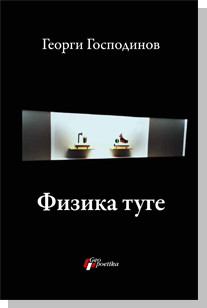
Fizika tuge

Georgi Gospodinov

Prevela s bugarskog Ivana Stoičkov

Godina izdanja: 2013

Format (cm): 20cm

Broj Strana: 344

ISBN: 978-86-6145-143-0

Cena: Rasprodato

Već na prvi pogled jasno je da je pred nama moderan roman. A koliko je još i moderniji na drugi pogled?
Gospodinov bez zazora preispituje granice žanra. To čini tako da nam se čini kao da je ovo jedan od poslednjih pokušaja da se dokaže da roman kao književni rod ima još oblika za izmišljanje, obogaćivanje i pokazivanje. Autor istovremeno lakonski i temeljno preispituje roman kao oblik književnog istraživanja, dovodeći ga u ozbiljnu sumnju, te ga potom, tako negiranog, uspostavlja u jednom novom melanžu. Fizika tuge nije više i samo eksperiment; ona je nova romaneskna vrednost. Istorija književnosti verovatno će ga jednoga dana označiti kao: a) prekretnički roman, b) izdajnički roman, ili v) jedan od poslednjih romana koji bi da obuhvate - sve.
Ovaj pre svega poetičan roman, vrlo tanane duše, priča je o fizici ali i metafizici tuge. Čine ga: montaža, kinematografska struktura, pauze, grafika, simboli, tišina, prividna fragmentarnost, samoća, minotaurska napuštenost, lavirinti, antički mitovi, praznina. To je istorija sveta ispričana pogledom nevažnih događaja, netipičnih stvorenja (od puževa do dinosaura i ljudi). U zbiru svega glavni junak je Ja smo. To ja smo ključ je romana: ono je oscilirajuće klatno između prvog i trećeg lica, jednine i množine. Autorska snaga, koja je u svim pričama i telima ove knjige, mnogo je šira od tzv. Sveznajućeg autora.
Roman - vremenska kapsula. Roman u koji se zaljubljuje.
Ako je originalni i uspešni Prirodni roman G. Gospodinova, preveden na 20 jezika, od kojih je srpski bio prvi u svetu (Geopoetika, 2001), bio postmoderan u najplemenitijem smislu reči, Fizika tuge je roman apokaliptičan u najrevolucionarnijem značenju reči.  Filedot To Belarus Studio Katya White Room Txt

Filedot To Belarus Studio Katya White Room Txt »

Filedot to Belarus—Studio Katya's white room hums with the kind of hush that isn't silence so much as a tuned frequency. Light arrives in thin, clinical sheets, slicing the floor into geometric promises. On the far wall, a healed crack maps the studio's private history like a seam where rain once bled through; it has been plastered over and painted the exact color of trust.

She inserts it into a laptop the color of a storm cloud. The machine inhales the dot, and for a moment the room holds its breath. The screen flares, a soft aurora of Cyrillic and English doing a languid tango. Text unfurls like a map: phrases, half-sentences, names that smell of old streets. The first line reads like a postcard no one mailed: "Window light makes everything honest."

She attaches a note to the document: "For the room. For rain that won't stop. For the person who will read this and remember a scent." The note is neither pompous nor small; it is pragmatic, intended to be used. She sends the file back through channels that arc like telephone wires—slow, lit by patience. Somewhere, the filedot will find new hands, and the file will metastasize into different forms: a printed leaflet, an audio glaze, a projected slide.

Katya reads aloud, not because she needs the sound but because saying a phrase carves it into the air, makes it accountable. Her voice is modest, clear, a tool that reshapes silence into architecture. The words on the screen rearrange themselves as if anxious to be better understood. She edits with the economy of someone who distrusts excess, deleting breaths that do nothing for the sentence, keeping verbs that pull weight.

Ostale knjige iz edicije - Svet proze

Filedot to Belarus—Studio Katya's white room hums with the kind of hush that isn't silence so much as a tuned frequency. Light arrives in thin, clinical sheets, slicing the floor into geometric promises. On the far wall, a healed crack maps the studio's private history like a seam where rain once bled through; it has been plastered over and painted the exact color of trust.

She inserts it into a laptop the color of a storm cloud. The machine inhales the dot, and for a moment the room holds its breath. The screen flares, a soft aurora of Cyrillic and English doing a languid tango. Text unfurls like a map: phrases, half-sentences, names that smell of old streets. The first line reads like a postcard no one mailed: "Window light makes everything honest."

She attaches a note to the document: "For the room. For rain that won't stop. For the person who will read this and remember a scent." The note is neither pompous nor small; it is pragmatic, intended to be used. She sends the file back through channels that arc like telephone wires—slow, lit by patience. Somewhere, the filedot will find new hands, and the file will metastasize into different forms: a printed leaflet, an audio glaze, a projected slide.

Katya reads aloud, not because she needs the sound but because saying a phrase carves it into the air, makes it accountable. Her voice is modest, clear, a tool that reshapes silence into architecture. The words on the screen rearrange themselves as if anxious to be better understood. She edits with the economy of someone who distrusts excess, deleting breaths that do nothing for the sentence, keeping verbs that pull weight.