Note: To play the video click or tap on the play button: or . In some browsers the play button is only in the lower left corner of the video.
Note: At this time, audio is only available for The Collected Works of Witness Lee and the Life-studies.
Note: To play the video click or tap on the play button: or . In some browsers the play button is only in the lower left corner of the video.
Her search pulled her through a tangle of internet rooms. There were well-worn archives of old streaming sites, rebranded pages with recycled templates, and aggregator lists that masqueraded as directories. Here the phrase meant different things to different communities: to cinephiles it hinted at a cache of rare films; to casual viewers it was a simple shortcut to a desired title; to those who watched from the margins it was survival — a cheap, fleeting access to stories otherwise paywalled.
One night, after months of tracing echoes, Mara found a stable archive hosted by volunteers: a catalog of regional films digitized with care, each entry annotated and sourced. The listing gave no flashy shorthand, just a sober URL and an acknowledgement of rights where possible. She sent a brief, grateful note to the project’s maintainer. The reply was a single line: “Share what’s worth saving. Use the tags so others can find it — gg if it helps.” gg dutamovie21 link
Mara learned to read the subtleties. A comment with a detailed timestamp and a polite tone likely pointed to a genuine source. An abrasive post promising a perfect copy in three clicks was usually performative, aimed at baiting clicks. She developed rituals: verify a link in a sandbox, check community reports, scan for user accounts that had been trusted over years rather than days. In the process she found people: a retired projectionist restoring a regional archive, a film-studies student subtitling a lost documentary, a programmer who built indexers to sift out scams. They spoke in fragments, but their intentions were clear: to keep stories accessible. Her search pulled her through a tangle of internet rooms
The phrase also exposed tensions around ownership and access. For every user celebrating a found film, there was a copyright holder alarmed by unauthorized distribution; for every restored gem, there was the risk of the same content being monetized without credit. Debates flared in comment threads and group chats: was the distribution an act of preservation or theft? Could cultural heritage ever be fully reconciled with commercial frameworks? The answer was messy and context-dependent. One night, after months of tracing echoes, Mara
Mara closed her laptop and realized the phrase had evolved from curiosity to community language. It had been a map, a rumor, a snare, and finally a hand extended — imperfect, pragmatic, and human. In the end the link mattered less than the people who tended it: strangers who traded fragments of culture across time zones, algorithms, and risks, trying, in their messy way, to keep stories alive.
Mara discovered that these signals rarely lived in isolation. They were embedded in comments that read like coordinates: timestamps for obscure scenes, usernames that doubled as curator handles, mismatched language that suggested transnational traffic. The phrase migrated through languages and platforms, like a folk song adapted by every singer. Some links led to troves of forgotten cinema — black-and-white dramas with subtitles, festival darlings that never reached theaters. Others led nowhere, expired or blocked by algorithms. Still others were traps: phishing pages, ad-laden dead ends, or vectors for malware.
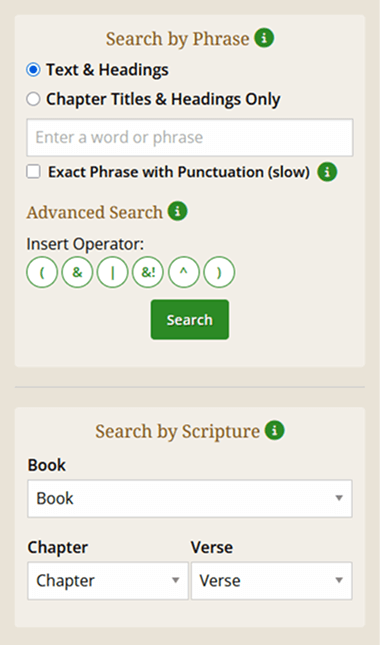
Search the entire works of Watchman Nee and Witness Lee by text or by Scripture.
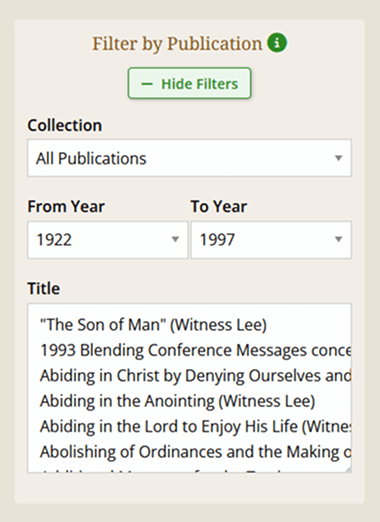
Refine search results by filtering by collection, years, or specific titles.
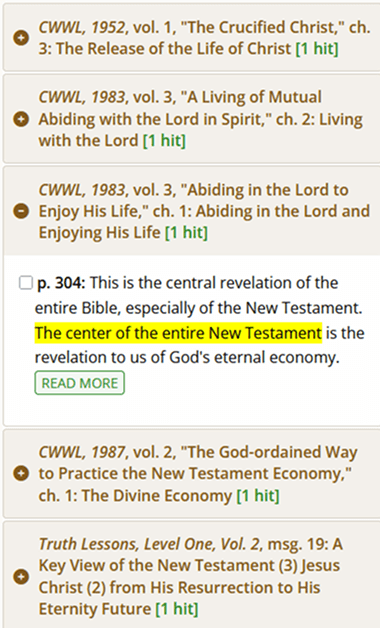
Search results are grouped by chapter, and the number of hits in each chapter is indicated. Click on a chapter to display text snippets for each hit. Click on the "Read More" button to open and read more. (Subscription required except for free titles.)
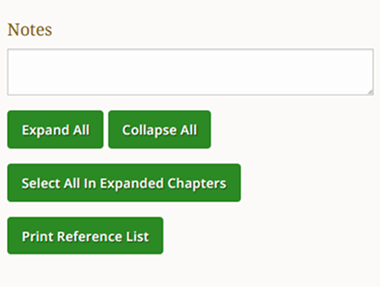
At the bottom of the search results page, add notes or print a reference list by selecting the specific results you want included.
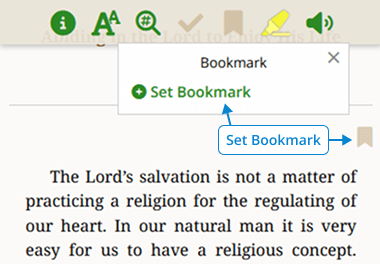
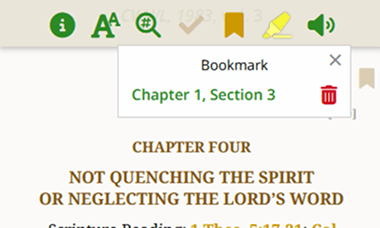
Add a bookmark to save your location.
Return to your bookmarked location, or remove the bookmark.
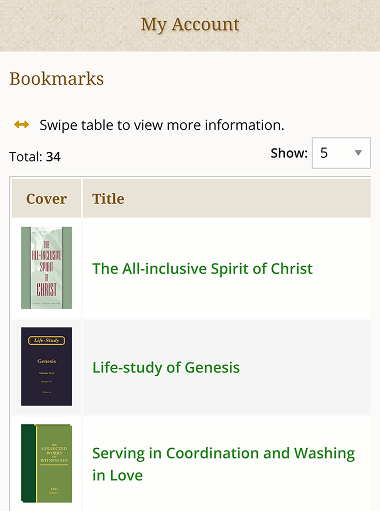
View all your bookmarks for easy access to titles you are reading.
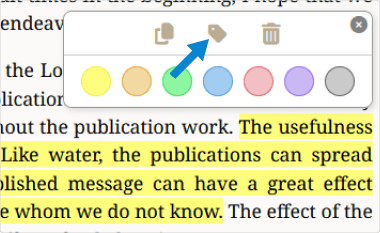
Highlight text as you read. Copy selected text for easy sharing. Add tags to any highlighted portion.
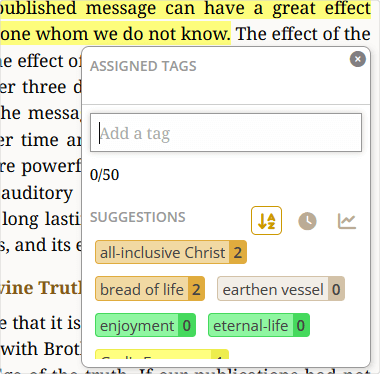
Create a new tag or choose from previous tags you have added.
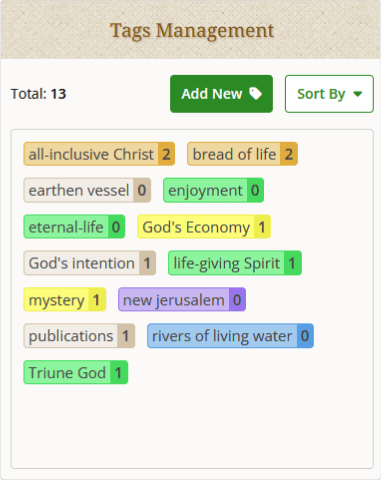
View and manage all your tags on the tags management page.
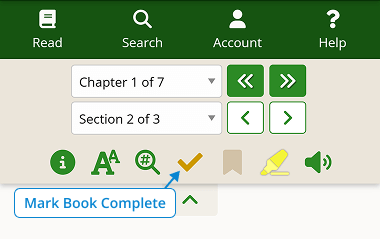
When finished reading a title, you can mark it "completed" by tapping the "checkmark" icon on the toolbar.
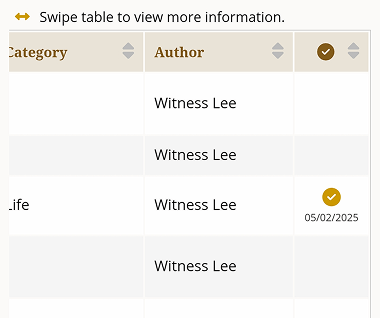
See which titles you have completed in the titles list table.
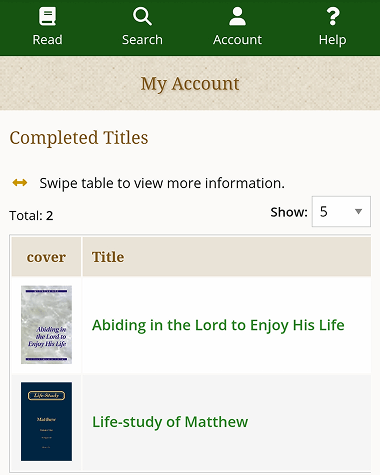
Also see a completed titles list in your account section.
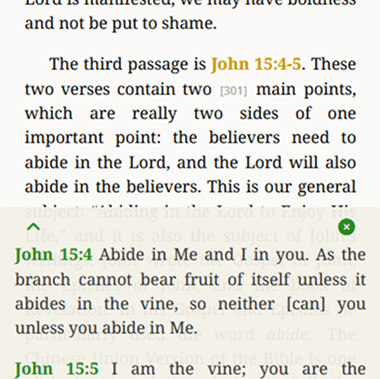
Click on Scripture references to view verses without leaving the page.
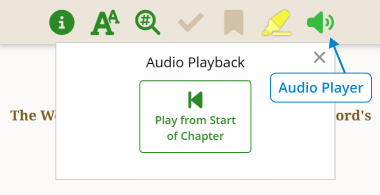
Listen to audio readings from any title in The Collected Works of Witness Lee and Life-study of the Bible, 1st ed., by clicking the audio icon with the publication open in the reader.
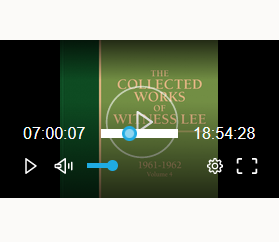
Pause, play, and navigate through the publication in the audio player.
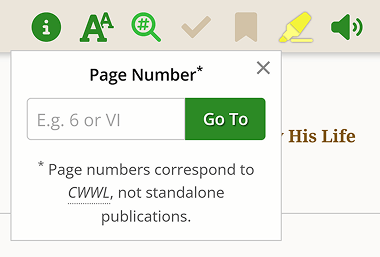
Page numbers from Collected Works, Life-study of the Bible, and Conclusion of the New Testament print publications are included in the text.
Click on the page number search icon and enter a page number from one of the collections to jump to that location in the reader.
Searched-for page number will be briefly highlighted.
Sepia
Choose from four reading themes to customize your reading experience:
There is also an Auto option that follows your device’s system setting.
Green
Switch themes instantly from the navigation bar, mobile header, or reader toolbar. Your selection is saved and applied across all pages.
Dark
Try Auto mode to let the site match your device’s light or dark setting automatically — it switches for you throughout the day.
Customize your reading experience with three new themes. Switch instantly from the navigation bar, mobile header, or reader toolbar — your selection is saved across all pages.
Sepia
Green
Dark
Click the 'X' button above to acknowledge this notice.