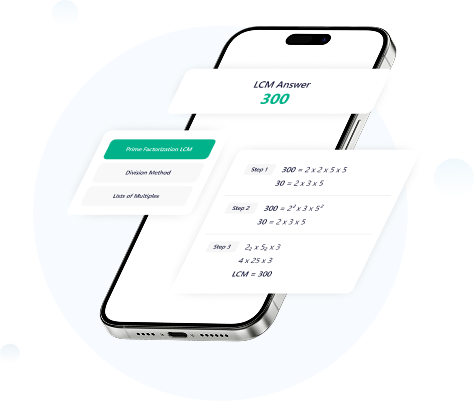
LCM Calculator
Kansai Enko 87 144 Top
A primary objective of the Enshu Line project is to enhance redundancy in the Kansai grid. Following the Fukushima Daiichi nuclear disaster in 2011, Japan prioritized grid resilience to prevent widespread outages. Pages 87–144 of the document clarify how the Enshu Line integrates with existing networks, providing alternative pathways to distribute power in emergencies. For example, its connection to the Shigenobu substation allows seamless transfers during localized disruptions, ensuring uninterrupted electricity to Kyoto’s industries and households.
Engineering Innovations Modernizing the Enshu Line has required cutting-edge solutions. The use of compact transmission towers (p. 92) reduces land use, a critical factor in mountainous Kyoto, where space is limited. Additionally, the line employs high-temperature superconducting cables in select sections, a technology tested during the 2020 Tokyo Olympics for efficiency and reduced energy loss. These advancements, detailed in pages 105–112, lower operational costs while aligning with Japan’s carbon neutrality goals. kansai enko 87 144 top
500
I should start by understanding the technical aspects of the Enshu Line. High-voltage AC lines typically operate at voltages like 500kV, which is common in power grids. The user might be a student or researcher looking for detailed information on design specifications, construction projects, maintenance, or environmental considerations covered in the document they mentioned. A primary objective of the Enshu Line project
Possible sections for the essay could include: introduction to the Enshu Line, technical specifications, project objectives (like increasing transmission capacity), challenges faced, innovations in technology used, environmental considerations, and the project's impact on the Kansai region's power stability. For example, its connection to the Shigenobu substation
Environmental and Community Considerations Pages 120–144 emphasize the project’s commitment to sustainability. The line’s path was rerouted in 2020 to avoid the Kyoto Basin, a UNESCO World Heritage site. KEPCO collaborated with environmental agencies to implement bird-safeguarding features on towers and reforest over 20% of affected zones. Community workshops held in 2023, summarized in Appendix B of the document, addressed public concerns about electromagnetic fields (EMFs) through transparent data sharing and insulation upgrades.
Technical Specifications and Project Objectives The Enshu Line is a 500-kilovolt (kV) high-voltage alternating current (AC) transmission line, a standard for bulk power transfer in Japan. As detailed in the technical documentation (p. 87), the line is designed to operate at a capacity of approximately 2,000 megawatts (MW), ensuring efficient energy delivery to meet Kyoto’s dynamic demands. The line’s route spans through a mix of urban and rural terrain, posing engineering challenges addressed by innovative tower designs and underground cable systems in ecologically sensitive areas.