Player experience: storytelling through matches What makes a mod like WWE Raw Ultimate Impact 2012 memorable is not technical fidelity alone but the narratives players create. A Sunday-night main event fashioned in a cramped dorm room can outshine a polished but forgettable commercial title because of the stories it enables: underdog comebacks, long-feud blowoffs, or surreal intergender dream matches. Team MJY’s curation likely emphasized these possibilities—extra attires to stage “what if” scenarios, custom arenas for specialty shows, or unlocked attributes to simulate legendary runs. Players become bookers, commentators, and historians, using the game to rehearse alternate histories or simply to relive favorite moments.
Legacy: influence beyond code While unofficial and ephemeral, builds like WWE Raw Ultimate Impact 2012 influence fandom and mainstream culture. They train future modders, foster collaborative workflows, and keep wrestling’s past active in contemporary play. For players who cut their teeth on such projects, the skills and aesthetic tastes cultivated—texture editing, roster balancing, narrative choreography—often migrate into other creative endeavors, from YouTube highlight reels to independent game projects.
Ethics and legality: the gray ring Fan mods operate in a gray legal zone. They rely on copyrighted assets—logos, music, likenesses—often without explicit permission. Teams like MJY typically aim not to profit but to pay homage; still, the legal risk shapes distribution methods and the community’s relationship with official IP holders. This tension matters: it frames why such projects remain underground, why creators sometimes anonymize themselves, and why preservation requires community trust.
Community, distribution, and preservation Mod releases travel through forums, file-hosting sites, and social media. Team MJY’s release would have relied on clear installation instructions, compatibility notes, and changelogs—evidence of an ethic of care for users and the project’s longevity. But fan projects also face fragility: links rot, host takedowns happen, and knowledge disperses. For many players, discovering a Team MJY build means both a joyful download and a race to preserve it—backing up installers, saving custom rosters, and documenting settings—so future players can recreate the experience. This archival impulse underscores how fan labor not only entertains but also preserves cultural moments that official channels might let fade.
A DIY ring: fandom as production At its heart, WWE Raw Ultimate Impact 2012 represents more than a game: it’s a labor of love. Wrestling fans have long turned passive consumption into active production, editing move sets, repainting logos, and assembling dream cards. In the absence of an official, up-to-date PC title with full customization, modders assembled patches, custom textures, and edited databases to approximate the WWE spectacle on accessible hardware. Team MJY’s involvement signals a coordinated effort: collecting assets, testing compatibility, troubleshooting crashes, and packaging a user-friendly release. The result is a playable artifact shaped by the community’s priorities—historical fidelity, over-the-top entrances, or oddball fantasy matchups—rather than corporate licensing.
A curated roster and aesthetic A release titled with a year—2012—immediately anchors itself to a particular era of WWE. That year sat in the post-Rock/Lesnar blockbuster era and amid emerging stars who would later dominate the next decade. A Team MJY build likely blended authentic 2012-era models (CM Punk, John Cena, Sheamus, Daniel Bryan in his ascent) with fan favorites from other eras, alternate attires, and perhaps indie standouts. The aesthetic choices tell a story: the textures, pyros, and arenas evoke not just the televised shows but the memories around them—entrances watched with friends, the shock of title changes, the late-night forum debates about booking.





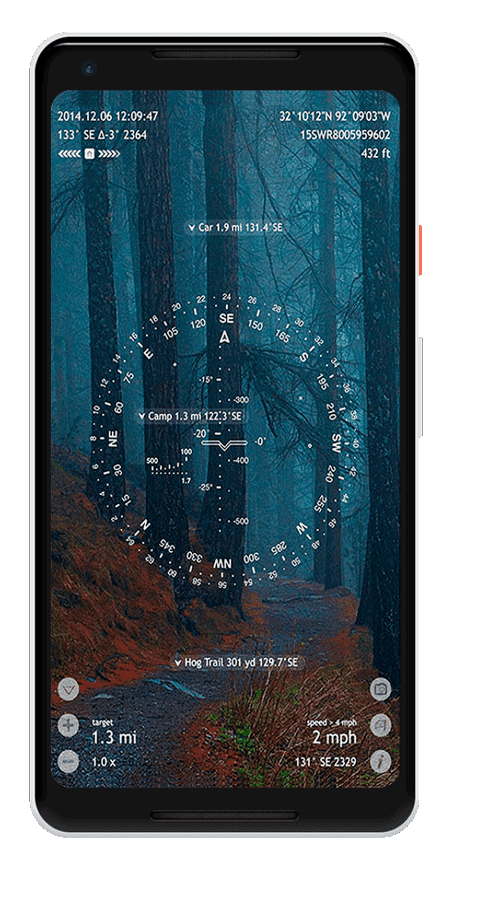
 Spyglass
 Commander
 Commander