Laalsa -2020- Web Series Apr 2026
*SysInfo PST File Splitter Fully Secured Free Download.
*SysInfo PST File Splitter Fully Secured Free Download.
Know the Key Advantages of the Online PST File Splitter by SysInfo
Know in what scenarios the Sysinfo PST Split Tool is a smart choice
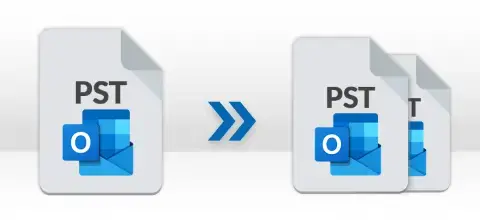
Sometimes, users look for a solution to divide their large PST files into multiple PST files. Then, by opting for SysInfo PST File Splitter open source, you can easily break the big Outlook PST files without any data loss.
Oversized Outlook PST files are more prone to corruption. Splitting PST into multiple smaller PSTs reduces the chance of corruption. The best tool to use is SysInfo PST Splitter allows users to Split large PST Files directly.
Users wish to reduce the size of Outlook data files, to manage PST data efficiently. Also, it is easy to export their data to Outlook. Hence, by using SysInfo PST File Splitter Utility, users can easily reduce the size of the oversized PST.
The web series does not rush its drama. It breathes. Scenes stretch out the way real life does: conversations circle, meaning is traded and regained, decisions are reconsidered. There are long silences that are not empty. One episode devotes ten minutes to a rainstorm — not as spectacle but as a moral weather report. Rain washes the city and reveals layers of lives: a boy discovering a stack of old love letters floating down a street gutter; a woman salvaging a soaked manuscript that, once dry, smells like ink and brimstone and possibility. The show understands that grief is not always loud. Sometimes it smells like wet paper.
The supporting cast is remarkable for how animatedly ordinary they are. Mr. Ibrahim reveals a past as a labor organizer; his bookstore houses pamphlets from another age under the receipt books. Khan, the landlord, has a late-night addiction to Urdu poetry and a secret he guards like a photograph under his mattress. Even minor characters — the tea-shop apprentice who listens more than he speaks, the schoolteacher who keeps a ledger of kindnesses — are given arcs and textures. The show resists caricature by giving everyone an interior life, which makes betrayals and solidarities feel earned.
The series often moves beyond the micro to the systemic. Meetings with municipal officials reveal labyrinthine regulations and a vocabulary of clauses that serve as armor for those in power. Yet, the show refuses to flatten the officials into villains; a bureaucrat with empathetic eyes explains that his hands are tied by funding and political pressure, and he weeps in private over decisions he cannot change. These moments complicate the narrative’s moral ledger and deepen the sense that justice is messy, often partial, and achieved in increments.
The show is as much about people as it is about the city’s quieter economies — the informal networks, the pawnshops where lives are negotiated in installments, the small-time contractors who build more hope than houses. Episode Two introduces a fracture: a new development project — glass towers and manicured plazas — threatens to slice through a neighborhood of narrow lanes and yellow-washed courtyards. The announcement ricochets through the community, disturbing things that lay dormant: old debts, old promises, old loyalties. Laalsa watches a meeting at the local community center where officials speak a language of progress — blueprints and timelines — and residents answer with memories and the ways they have anchored themselves to the place. It is the kind of conflict that blooms slowly, a root pushing through stone.
Sysinfo PST Splitter Tool specifications, users can follow before use of this utility for ease of working

| Version: | 23.3 |
| Size: | 43 MB |
| License: | Multiple User |
| Release Date: | 20 March, 2023 |
| Edition: | Home, Administrator, Technician, and Enterprise |

| Processor: | Intel® Core™2 Duo E4600 Processor 2.40GHz |
| RAM: | 8 GB RAM (16 GB Recommended) |
| Disk Space: | Minimum Disk Space - 512 MB |
| Support Outlook Versions: | Office 365, 2019, 2016, 2013, 2010, 2007, 2003, 2002, 2000, 98, and 97. |
| Support MS Exchange Server: | 2019/ 2016/ 2013/ 2010/ 2007/ 2003/ 2000/ 5.5 and 5.0. |
| Supported Windows: | 11, 10/8.1/8/7/, 2008/2012 (32 & 64 Bit), and other Windows versions. |
Easy four steps to divide PST files into multiple smaller Outlook data files.


SysInfo's Award-Winning Software, Highly Rated by Experts in the Best Category.




Cnet rate a 5-star rating to SysInfo Split PST File Tool for its extraordinary performance of splitting PST files into multiple small PST. Furthermore, it recommends users use it because the utility is competent enough to maintain folder hierarchy and ignore duplicate emails with 100% accuracy. View more

SysInfo PST Splitter got 5-start by Software Suggest for its unbreakable performance to safely and securely split Large Outlook PST files (Email, calendars, contacts, tasks) into individual PST files without losing any data. View more
Use the trial version to evaluate the tool and then purchase the premium version
| Product Features | Free Version | Full Version |
|---|---|---|
| Split large PST file | 50 Items per folder | All |
| Split PST File by Size | 50 Items per folder | All |
| Split PST by Date | 50 Items per folder | All |
| Split PST file by the sender | 50 Items per folder | All |
| Split PST file by Folder | 50 Items per folder | All |
| Ignore Duplicate Email | ||
| Feature to define PST file size | ||
| Apply Password & Show Password | ||
| Date Filter | ||
| Single File and Separate PST for Selected Folder | ||
| Create Single File & Create Separate PST | ||
 |
Download | Buy Now |
The web series does not rush its drama. It breathes. Scenes stretch out the way real life does: conversations circle, meaning is traded and regained, decisions are reconsidered. There are long silences that are not empty. One episode devotes ten minutes to a rainstorm — not as spectacle but as a moral weather report. Rain washes the city and reveals layers of lives: a boy discovering a stack of old love letters floating down a street gutter; a woman salvaging a soaked manuscript that, once dry, smells like ink and brimstone and possibility. The show understands that grief is not always loud. Sometimes it smells like wet paper.
The supporting cast is remarkable for how animatedly ordinary they are. Mr. Ibrahim reveals a past as a labor organizer; his bookstore houses pamphlets from another age under the receipt books. Khan, the landlord, has a late-night addiction to Urdu poetry and a secret he guards like a photograph under his mattress. Even minor characters — the tea-shop apprentice who listens more than he speaks, the schoolteacher who keeps a ledger of kindnesses — are given arcs and textures. The show resists caricature by giving everyone an interior life, which makes betrayals and solidarities feel earned.
The series often moves beyond the micro to the systemic. Meetings with municipal officials reveal labyrinthine regulations and a vocabulary of clauses that serve as armor for those in power. Yet, the show refuses to flatten the officials into villains; a bureaucrat with empathetic eyes explains that his hands are tied by funding and political pressure, and he weeps in private over decisions he cannot change. These moments complicate the narrative’s moral ledger and deepen the sense that justice is messy, often partial, and achieved in increments.
The show is as much about people as it is about the city’s quieter economies — the informal networks, the pawnshops where lives are negotiated in installments, the small-time contractors who build more hope than houses. Episode Two introduces a fracture: a new development project — glass towers and manicured plazas — threatens to slice through a neighborhood of narrow lanes and yellow-washed courtyards. The announcement ricochets through the community, disturbing things that lay dormant: old debts, old promises, old loyalties. Laalsa watches a meeting at the local community center where officials speak a language of progress — blueprints and timelines — and residents answer with memories and the ways they have anchored themselves to the place. It is the kind of conflict that blooms slowly, a root pushing through stone.
Verified Customer Reviews for SysInfo PST File Split Tool
Step 1: Install and Start the SysInfo PST File Splitter.

Step 2: Now, click on Add Files and add PST files to split.

Step 3: After adding the PST files to the software, click Next.

Step 4: Select the folders and choose the Split option as per needed.

Step 5: Choose optional features and define the destination path.

Step 6: Finally, click on Split, and the splitting process begins.